Fun Mini Games That Don’t Distract You From Daily Work
Mini Games & Casual Play
Mini games can be a powerful tool for productivity when used the right way. These fun, lightweight games refresh your mind without pulling you away from work. Designed for short breaks, they help reduce stress and restore focus. No endless scrolling, no heavy distractions, just smart, controlled play. Perfect for busy workdays and focused routines.
Post Details
(74 Views)
Hosted by
Jan 20, 2026

Kridaah Team
In the middle of a busy working day, squeezed in between the press of deadlines, meetings and screens, mental fatigue can be unavoidable. Rest breaks are essential, but the kind of break that you go for may have a greater effect than people anticipate.
For the majority of workers, break time consists of scrolling through Facebook and watching videos. Although it would appear that settling down with Facebook or a video is monotonous and relaxing, the mind is, in fact, getting overstimulated, leaving workers with even less fuel in the tank for anything else after.
Minigames are an alternative, though. They provide a level of control as they are quicker, more purposeful and more controlled than most other forms of entertainment. Under the right conditions, they are useful ways to reinvigorate a sluggish mind without diverting the worker from his/her task. They are capable of bootstrapping and entertaining the brain sufficiently to allow a reset without undoing the effect by too much entertainment.
Why Mini Games Are Better Than Mindless Scrolling
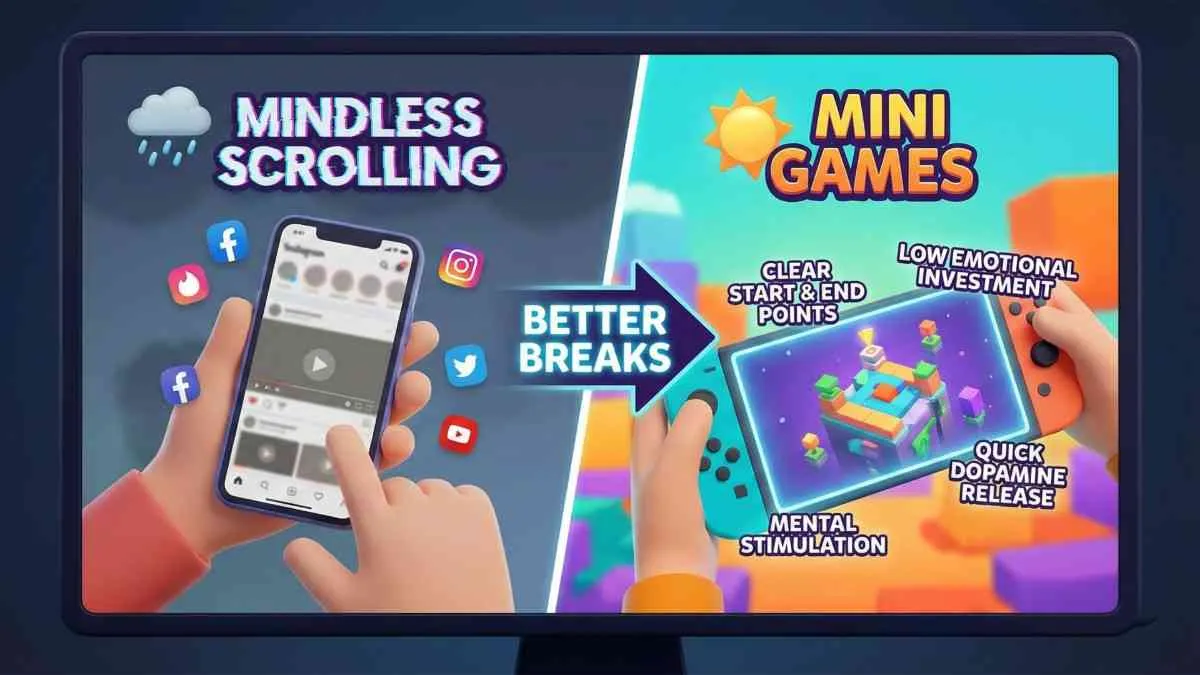
Almost all breaks are unsuccessful because they are unstructured. No purposeful scrolling doesn't have a defined start or finish, so time is spent in the absence of mental recovery. Mini games attract more because they are more purposeful. They centre and focus your attention rather than diffuse it.
Clear start and end points: Mini game starts and ends in a way that feels natural. You just play a round or do a task, then stop along the way, never feels like something is missing. When you get back to work, you don't feel drawn.
Lack emotional involvement: Mini games, in contrast to social media or giving in to a game of contention, do not suck you into an emotional rollercoaster. You cannot measure up with mini games so the stress subsides.
Mental stimulation without overload: Mini games engage the brain just enough to refresh it. They activate focus and thinking without flooding your mind with excessive information or notifications.
Quick dopamine release: A small challenge satisfied us. A short bite of immediate satisfaction improved our mood and motivation without exercising dependency or distraction.
Precisely due to these features mini games nicely fit into 510-minute short breaks. They work as a breath of fresh air into your mind; refresh and bring you back to your work more settled, not dashed.
1. Puzzle Games – Calm, Focused, and Satisfying
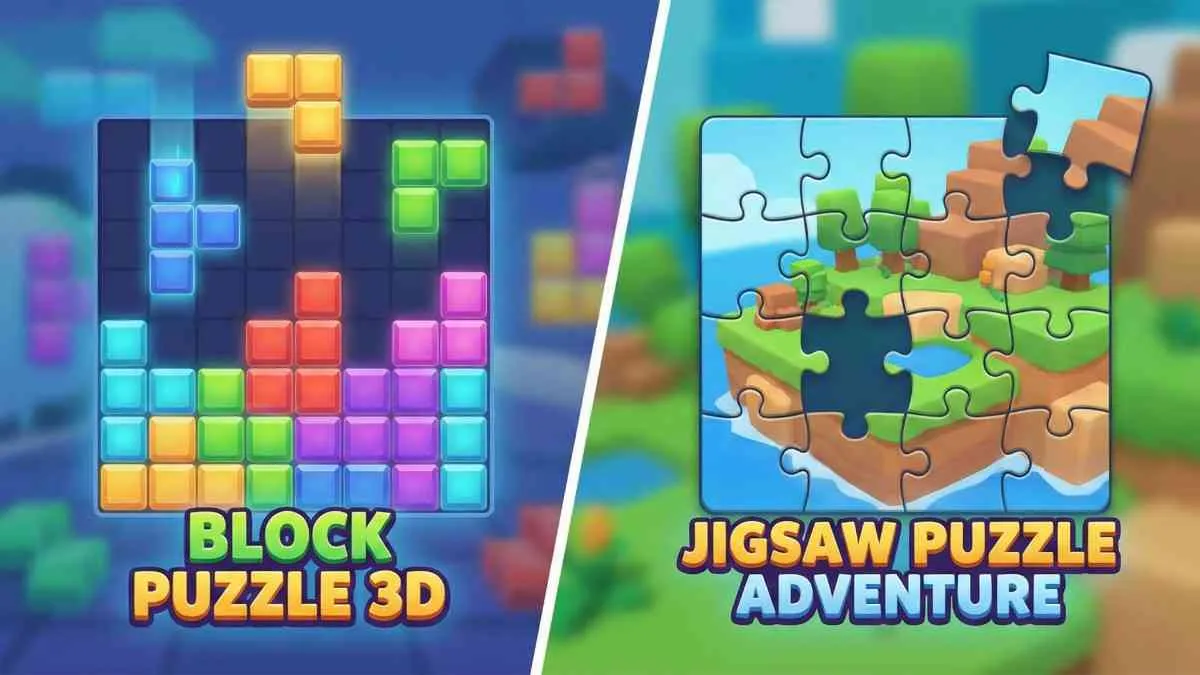
Puzzle games are one of the safest and most effective mini-game choices during work hours. They stimulate the brain function in an ordered fashion without mentally charging it at an emotional or conscious level. It is suitable for passing the time with a short diversion to casually refocus the concentration.
No time pressure or flashy rewards
Puzzle games in general tend to be played at your own pace. No countdown timers, no aggressive reward systems, just general low stress and no adrenaline spikes that could damage concentration.
Encourage logical thinking
These Games work activate thinking and analytical skills. This mental work is quite similar to work thinking that helps you be able to back to thinking and working.
Easy to pause and resume
The great thing about most puzzle games is that you can save instantly and be safe. This is useful for unstructured work because you can come and go without fear of time constraints.
Puzzle games are relaxing and goal-oriented so they can also make your mind feel organised while you're playing them rather than everything racing around your head. When you go back to work, you'll have a clearer head rather than a noisy brain.
2. Memory Games – Small Boosts for Brain Power
Memory games are a suitable activity for a microbreak since they give the mind some exercise without the need for a long attention span. They provide some brain training that can be refreshing and hardly tiring.
Improves short-term memory
They are aimed at training your mind to memorise the pattern, positions or a series of selected movements. Over a period of regular sessions of a few minutes, your memory will improve along with your mental accuracy.
Improves focus
The memorable game needs to focus attention even for a few seconds in a while. This will help to regain the mind after long working hours or looking towards the screen.
Keeps the brain alert, stress-free
This is purely mental work with no emotional strain or competition involved. Just keep your mind functioning effectively, while keeping relaxed. The most important thing is to keep it sustainable at long term!
Once the memory game is completed, people tend to feel mentally awake again which, again, makes it easier for them to go seamlessly into a more challenging task.
3. Time-Bound Mini Challenges – Fun with Built-In Limits

Minigames that take a finite amount of time can be particularly work-friendly, as they will always limit the amount of time invested naturally. Given the limited timeframe, this type of game will intrinsically act as a cutoff point that will always be a saving grace when placed on your schedule.
Clear time boundaries: Provides the right amount of time for planning and writing, minimises interruptions; demands rapid, focused work; is strict about deadlines, and encourages working ahead. Any game between 30 and 60 seconds long is so quick that you'll never find yourself in time trouble. You know exactly when the game will end.
Encourages quick thinking: Short challenges make your mind respond wisely. This enhances your speed of reaction and mental alertness without requiring a lengthy period.
Zero unlimited commitment: There is no storyline, no progression, no pressure to continue. You play, complete and go back to work in a smooth motion.
These games can give a quick hit of energy and concentration without leading to you not being able to leave until another game, perfect for work breaks.
4. Relaxing Idle Games – Visual Calm Without Addiction
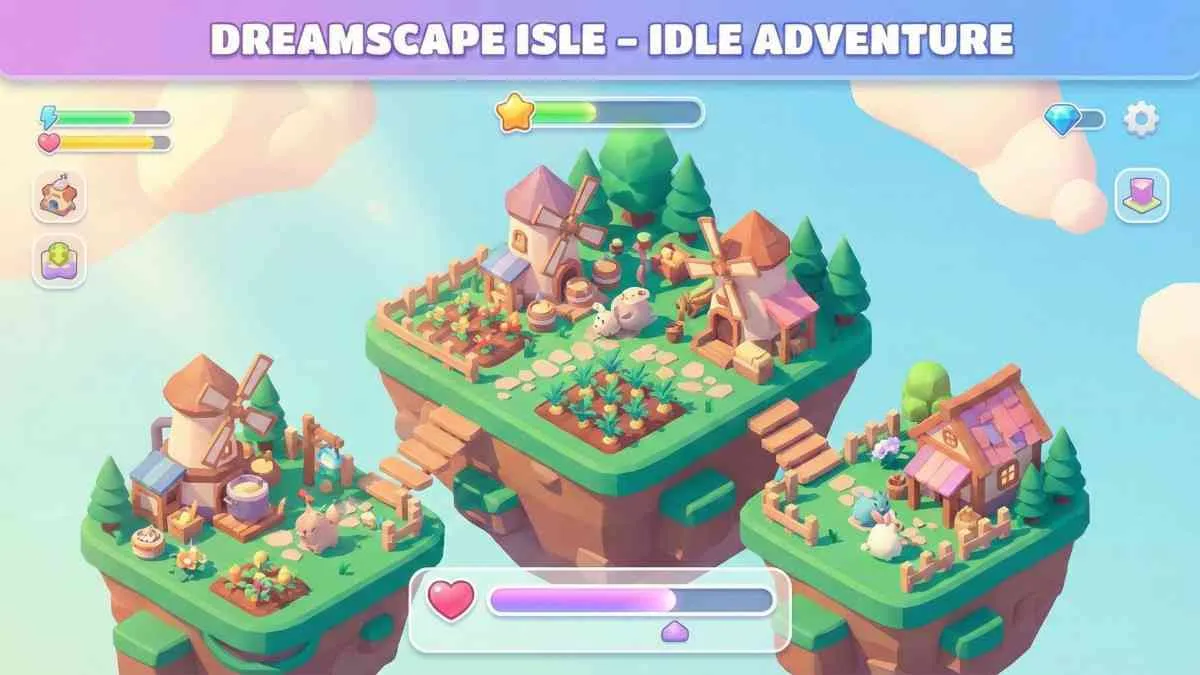
Not all intervals during work should be done to stimulate thinking or solving a problem. Sometimes your mind is just too much and needs a pleasant break. Relaxing idle games are made for such gaps. They are a visual diversion without any need for adrenaline.
They involve slow movements, a gentle flow of animations, and simple interactions. The game does not aggressively grab your attention, and instead, it enables a relaxing period for the mind to calm down and recover as it naturally does. Accordingly, they are safer than action or gameplay that is competitive in nature during working time.
When your mind is tired
Following extended streaks of focus, the mind can get a little flooded, too. Idling games give your mind a chance to relax without completely diverting attention from important tasks. This may allow you to avoid burnout during extended working hours.
When you want calm, not a challenge
Unlike other types of games, idle games usually do not require you to do anything, no puzzles or reflex targeting here. This means you can't get puzzle fever and cannot get frustrated.
When you need to give your eyes a rest from work screens
In comparison to text or data-intensive work screens, the gentle motion and calming visuals provided by card games can give the eyes a rest without a complete disconnect from the environment.
Idle games are not attention-demanding or emotionally intensive, so they simply serve as a soft reset instead of a distraction. When used purposefully, they serve to enable you to come back to work feeling calmer and more balanced.
5. Word and Language Games – Productive Fun
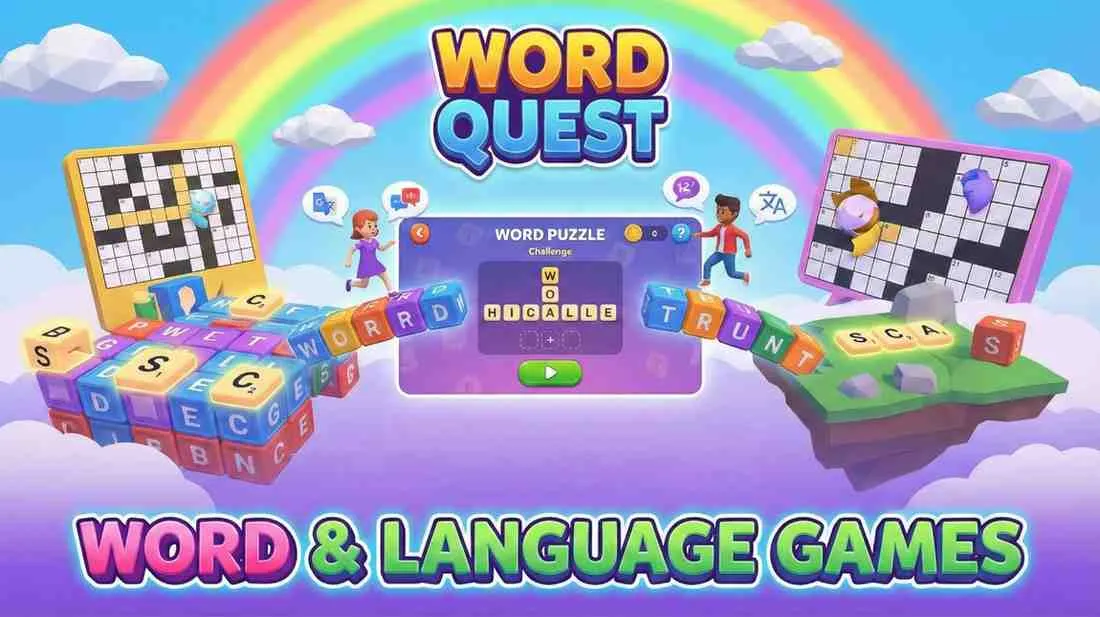
Games with words and language are especially well suited for work because they use the resources (intellectual) which are worth their while. They don't seem like a poor man's entertainment, but rather like the workout that can be so much easier to defend on a busy day.
These games work the mind more sedately and do not encourage sudden reactions, but encourage the development of speech, memory and reason.
Improves vocabulary
Repeated exposure to word challenges will certainly improve the speed at which the words are retrieved and recognised. Eventually, this will also improve people's natural expression, which could be useful in a work environment.
Encourages slow, thoughtful thinking
The nature of these games, which require slowing down and taking time turns out to be what is needed for effective note-taking.
Feels productive, not wasteful
These games are hard on the mind, so they do not appear quite as a pointless distraction as a mindless scroll. Many gamers, after completing the game, have reported a clearer head.
A desirable combination of entertainment and work. The delicate balance between fun and work makes these games an ideal lunchtime activity for working professionals that does not make a dent in working hours.
Games to Avoid During Work Hours
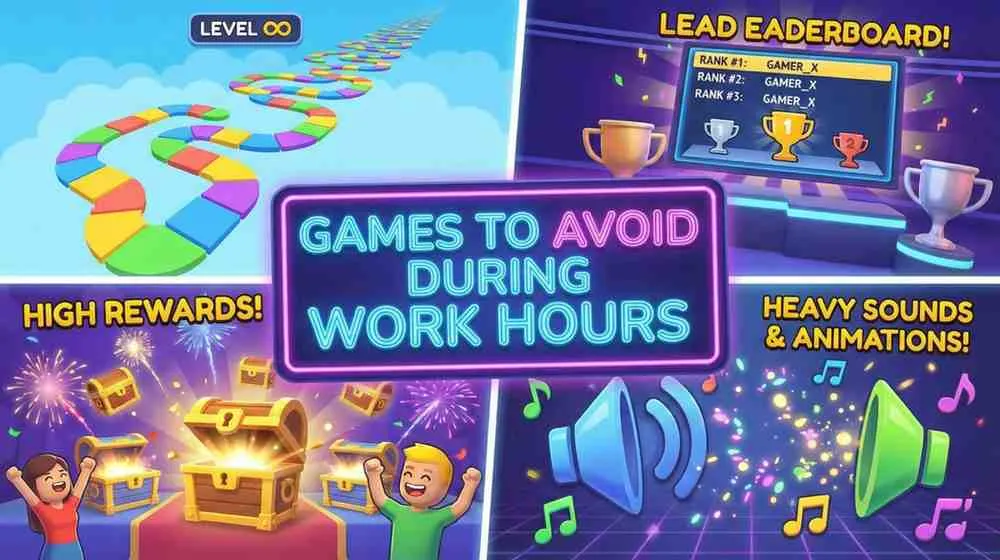
There are many mini games out there that drive productivity, some mini games are designed with the sole intention of getting as much attention as possible. These games hinder concentration, and they should not be played during work breaks. Knowing which games to steer clear of can be just as vital as selecting the perfect game. With the wrong game, the break could have a wholly negative outcome.
Infinite levels: No natural demarcation points like pause and review, forced to keep playing. Where should we stop? We won't know when to stop unless the game has a natural conclusion, which prevents time loss.
Social competition or leaderboards: Competitive features elicit comparison and emotional responses. This pulls attention away from the work as well as increases the mental noise.
High emotional rewards: Games that revolve around streaks, achievements, or regular rewards trigger addictive habits. Hardest to turn off after one hour.
Heavy sound effects and animations: Loud audio, flashing images and rapid animations overstimulate the brain. Rather than refresh, they increase cognitive load.
Through avoiding these, gaming can indeed serve as an instrument of refreshment in a manageable manner instead of a distraction during working hours.
How to Use Mini Games Without Hurting Productivity
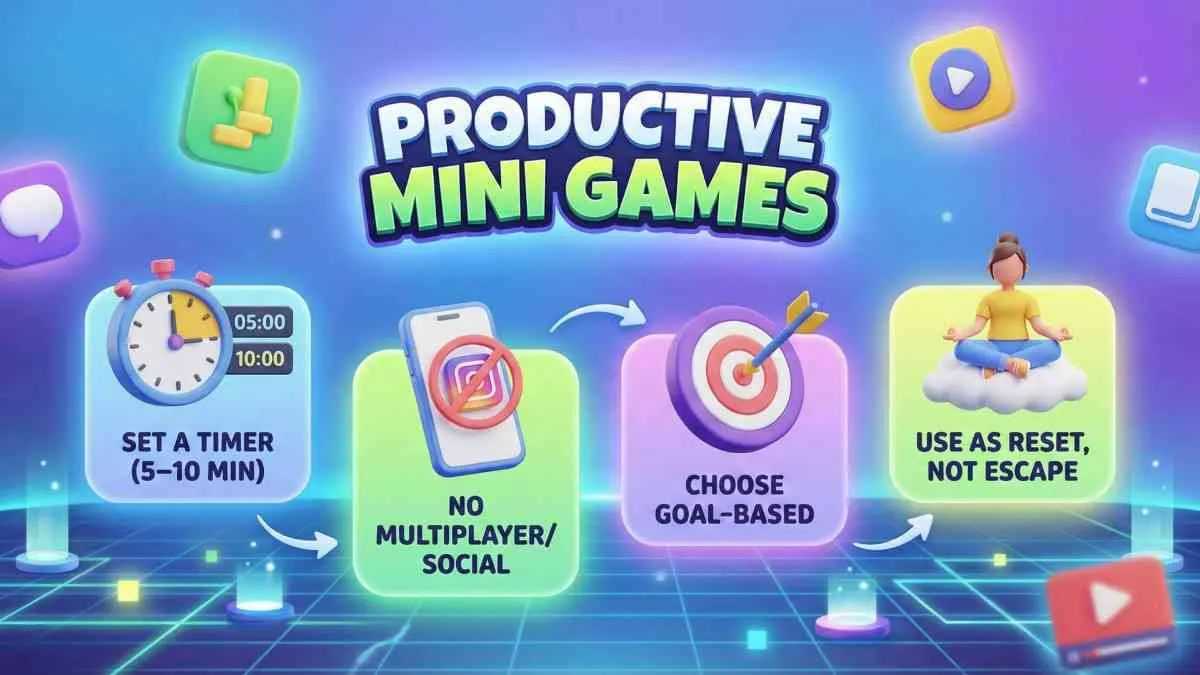
Mini games either assist your workday or stealthily sabotage it your choice is how you orchestrate their use. When approached as a productivity tool versus a time sink, short games have the potential to reignite focus, release stress, and allow you to approach your work again free of the guilt that comes with the game explosion.
Set a timer (5–10 minutes max)
Time limits are necessary. A short timer helps you finish and stop avoiding wasting time. The end of the game signals to your brain you can relax, no more worrying about losing your hold on time.
Avoid multiplayer or social features
Social introduces comparison, rivalry, and attachment. During working hours, solitary play keeps them calm by preventing carryover from the wins, losses, or interactions.
Choose goal-based games
Games with simple, clear goals and endings are easy to quit. Achieving a small internal goal gives you the feeling of satisfaction without firing the addictive urge to keep on indefinitely.
Use games as a reset, not an escape
Mini games are best used to refresh not escape work. Play with the attitude of returning refreshed, not fleeing stresses or work.
Limit the use of mini games and follow the above rules to make them an efficient, controlled mental reset, not a leak of productivity. They aid your productivity by allowing your brain to have precisely what it needs.
Final Thoughts: Play Smart, Work Better
Mini games are not the enemy, unfocused breaks are. Long, mentally energising days need short, focused pauses to provide mental rest. Mini games are a way of treating one's mind to a controlled moment of distraction to recharge it.
It is primarily about control. Being mindlessly occupied with a scroll glides past without any conscious energy being used, but goal-oriented mini games give your mind a target and impose a limited timeframe on you. To complete a task refocuses the mind and lifts your mood, enabling you to return to work with good intent, not energy dispersed.
Mini games can be a surprisingly strong means of productivity, if you use them to reboot rather than escape. Short, well-timed episodes of games are energy boosts that maintain mental breathing room, sharpen concentration, and help even the most draining days feel a bit more manageable. Play purposefully, keep breaks brief, and don't play less, play more.
Related Articles
Best Free Casual Games for Office Breaks (No Login Needed)
Jan 20, 2026 · 12 min
Lightweight Online Games You Can Play on Any Device
Jan 20, 2026 · 18 min
Best Quick Brain Games to Refresh Your Mind in 5 Minutes
Jan 20, 2026 · 12 min
Simple Online Games to Beat Boredom Instantly
Jan 20, 2026 · 15 min
Why Kridaah Is the Best Place for Quick and Fun Mini Games
Jan 17, 2026 · 12 min
Safe and Free Online Mini Games for All Age Groups
Jan 17, 2026 · 15 min