Why Small Games Are Better Than Long Games for Mental Refreshment
12 minutes to read
|
(96 Views)
Community reaction
Reasons Why Shorter Games Are Better Than Longer Games To Reset Your Mind In this fast paced digital age, mental fatigue has become a silent partner for a significant portion of individuals. Extended working hours, frequent notifications, and elevated cognitive load contribute to a lack of genuine mental relaxation. People thing gaming is a waste of time or that is just a distraction but it all depends on the game.
Mental tiredness has quietly crept into our lives. Through relentless working hours, relentless screen exposure and relentless thoughts our brain is drained without us noticing it soon.
In contrast to tiredness of body, tiredness of mind does not always produce such obvious signs. It manifests as lack of concentration, impatience, decline in efficiency of thought and motivation.
Most people reach for entertainment when things are not going well. Gaming is usually the first avenue to take, but not every game provides the same sort of mental assistance.
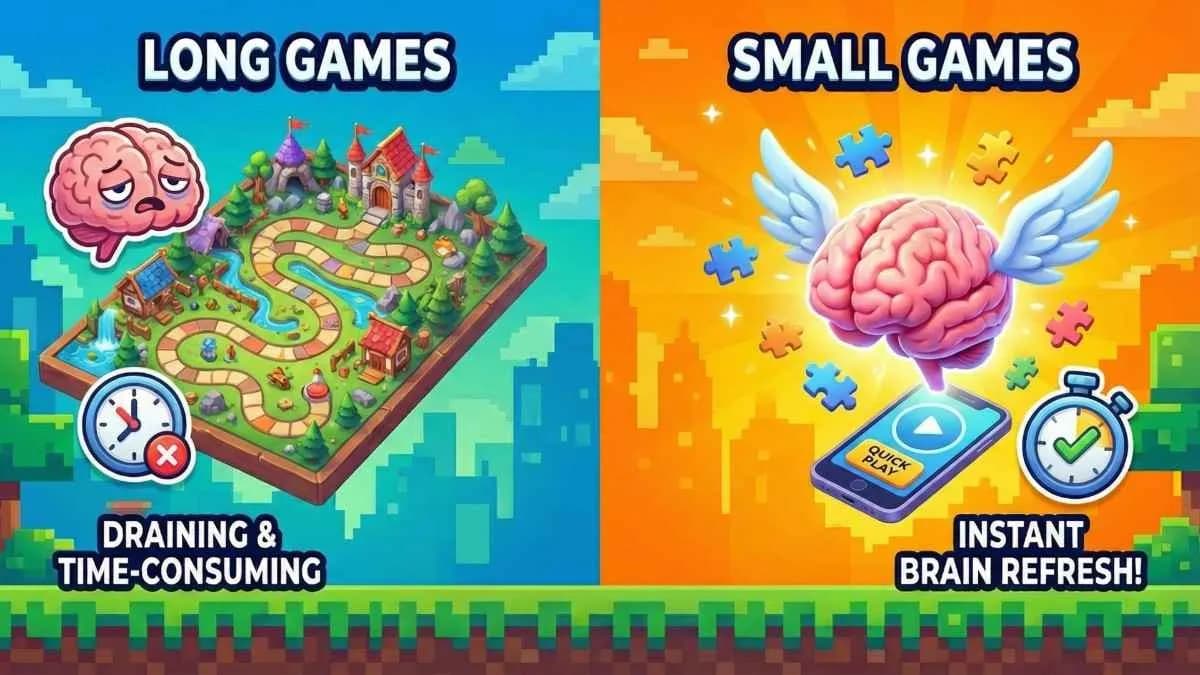
Long games are at the same time an escape, an immersion and an attentive experience. You are having fun but at the end of it; it costs you more energy than it gives (during a hard day). Small games function in a different way. They are quick, intense and require no more than a few minutes to play.
Small games don't draw you away from the reality they blend in with it. Rather, they add up to your normal life, complement it instead of breaking it. This is what makes small games so good for relaxing, but not escaping. To understand why this occurs, the actual process of recovery needs to be examined.
Understanding Mental Refreshment
Mental refreshment shouldn't be an excuse to dodge work or a reason to completely space out. It is simply an opportunity for the brain to briefly free itself from the nagging burden of information.
The brain works the whole day without stops. It is busy getting new information, making decisions, regulation my emotional activity, and so on. A good mental refreshment should generate relief, and not add pressure. It should be light, "empty", light, "light" and be "easy to switch off".
Long activities don't work here because they simply substitute a mental activity for another; the brain still takes part at a high level. Cognitive short activities, if selected wisely, alter the brain's mode of operation rather than causing it to grind to a halt or overanalyze.
The problem with mental refreshment is that it is most effective when it reunites us with our clarity of mind, not when it provides us distraction after distraction. Thus, activities providing structure and a sense of closure are more refreshing than those that feel endless. Small games fit neatly within the actual way mental recovery works.
What are small games?
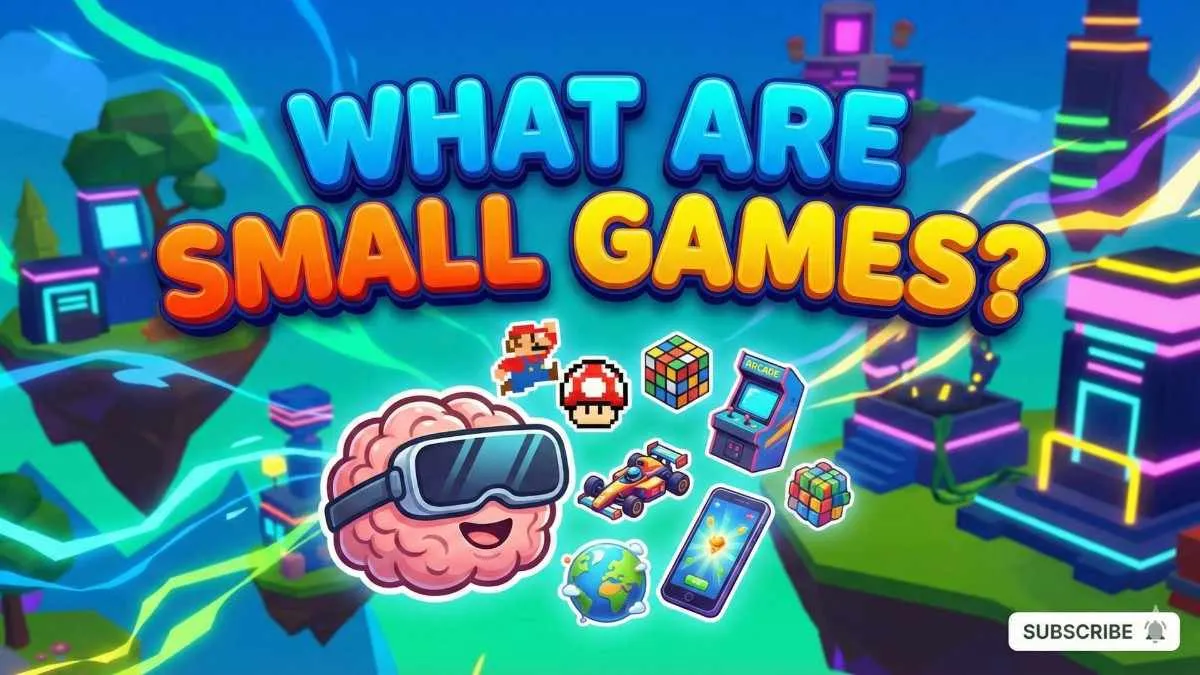
Small games are there as pay-and-play experiences, not to be collected and strewn about your home bookshelves or living room sofas and spent hours with. Up to 15 minutes, sometimes even two to three.
They are fast to learn—you can mastery them in a matter of minutes, and easy—to understand. No tutorial, no special controls, no backstory needed. Almost all of the small games are based on only one or two potential actions. This makes the mechanics and the mental model much easier to manage.
Most of the game should be finished at the end of the minutes of play. Most of the small game do not require narrative investment to enjoy or other ties to media. Puzzles, reflex games, logic games, fun class-based RTS would be examples.
Unlike the recent that games are rushed and that they have no time to entertain, both kinds of games has their own niche; as long game will require commitment and progress and small games will not take your time and simultaneous energy,—which are usually plentiful!
1. Short Games Respect Your Mental Energy
According to your brain, you have "a limited resource of mental energy that is gradually used up during the day. Each decision, each conversation, each time you try to solve a problem—even when you're not aware of it—uses some of that energy".
Prolonged gaming requires continuous attention, memory, and emotional commitment over long stretches. It involves a significant amount of similar cognitive energy as for work, which consequently leads to a depletion rather than to a replenishment of the brain's energy.
Mini-games function in this way by engaging the player momentarily and then easing off. It provides a reprieve from boredom with a quick hit and stops the mind from having to stay aware of one's surroundings for quite such a long period of time.
Since this time window is narrow, your brain is never reaching overload. Rather than a mental fatigue, you are getting a gentle stimulation that just feels nice. This controlled stimulation helps to “re-set" attention without depleting other mental resources. You get the stimulation benefits without the energy expense.
Tiny games also created decision alleviation. Since most of the choices are low involvement, intuitive and presented with low risks, decision fatigue does not build up.
Small games respect mental energy because they:
- Use short bursts of attention instead of keeping attention on something for a long time
- Do not have single, complex decision paths. Too many memories to call on before a decision can be made
- Finish while there is still energy left and before mental fatigue has had time to build up
- Gentle brain stimulation as opposed to aggressive, referring to more gentle stimulation to the brain, (Name).
Therefore, the effect of this is that you return to work or school feeling more clear-minded, less exhausted, less emotional, more balanced, less adrenal fatigued, more in control, more in touch, more energetic, and more alive.
2. Easier Entry and Exit Reduces Stress
Another mentally taxing cause of gaming stress that is often under looked is commitment pressure. For long play sessions, you can often be so committed to the game that you continue to play through until a checkpoint or mission.
Stopping halfway through a large game can be very uncomfortable. Fear of losing your spot, breaking the immersion, or leaving something forever undone introduces a mild but persistent anxiety.
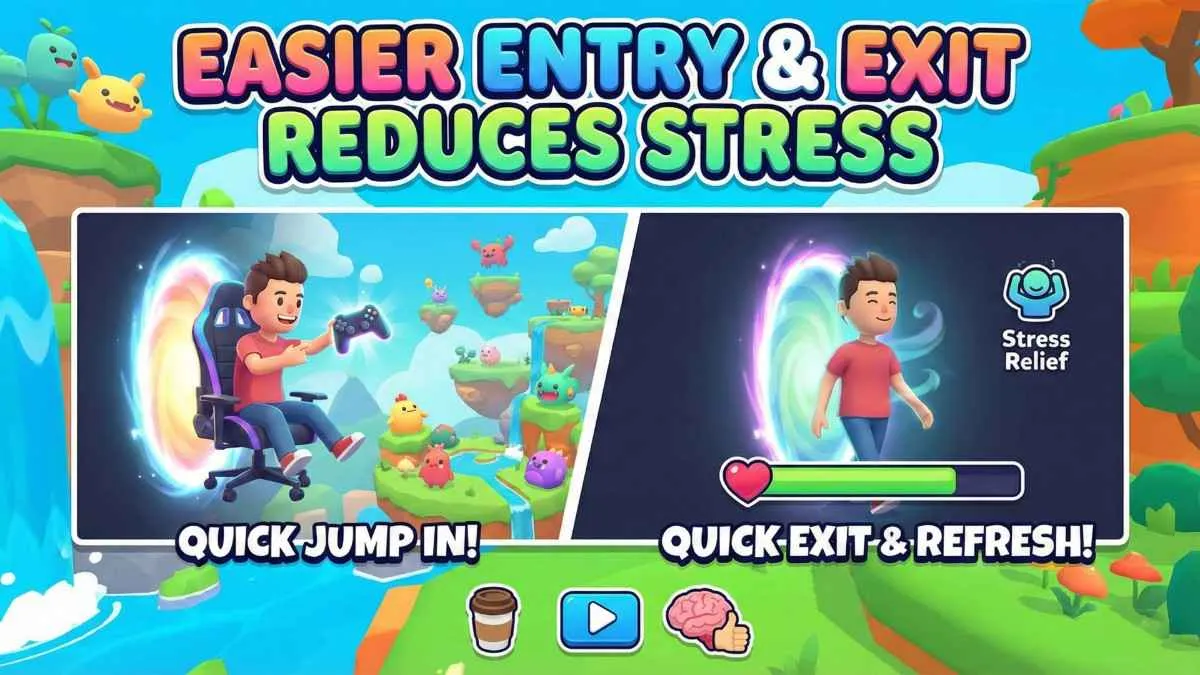
The boundary that is created is non-existent within these minigames. You can enter and exit these creatively easily without fear of any emotional or psychological attachments to the game.
This makes you feel that you have the control over your break. You are the one deciding how long to play and not the game. The barriers to entry are non-existent because entry is quick. The barriers to exit are non-existent because exit is easy. Making small games fit them very well when you have irregular time between projects and.
Small games reduce stress because they:
- Permit immediate start and stop
- Don't penalize early quitting
- Such games teach children how to "finish" with a clearer sense of closure
- Fit naturally into short, tentative breaks between colloquium papers
That feeling of mastery is what truly makes small games truly refreshing, rather than subtly stressful.
3. Faster Dopamine Reset
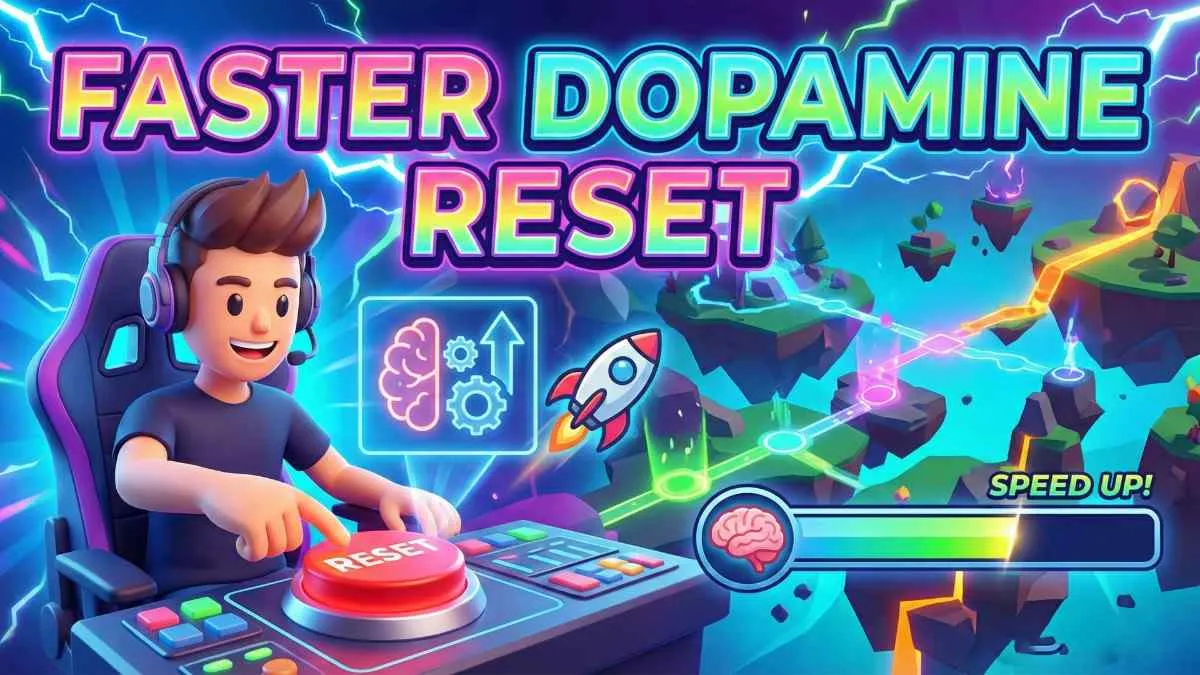
Games also tend to stimulate the brain chemical dopamine, which is associated with reward and motivation. A long game will keep dopamine high over long stretches of time due to systems of progression, achievements and rewards.
Although this can be quite pleasurable, extended dopamine stimulation on this level frequently results in the individual becoming mentally drained after a long session. Motivation tends to be noticeably lower after the session has finished while concentration can be difficult to achieve.
Small games give us small, sweet flurries of dopamine instead of long spikes. This maintains the delicate balance of the brain's reward systems. The sense of satisfaction is still there it is just free from emotional cravenness and stimulation. The satisfaction feels clear and contained.
The stimulation is short-lived, so after playing the levels of dopamine quickly drop back to normal. This results in much smoother transitions to work/study. Heavy-eyed feeling You don't have a sluggish unmotivated feeling instead you've got a slightly wake and mentally ready feeling.
Small games support healthier dopamine patterns because they:
- Offer small, short-term incentives.
- Refrain from following long-stimulation loops.
- Lower the emotional attachment to the process of development.
- Preserve motivation after play.
This is the reason for which small games so refresh the mind and long ones usually leave the mind entirely exhausted.
4. Better for Productivity and Focus
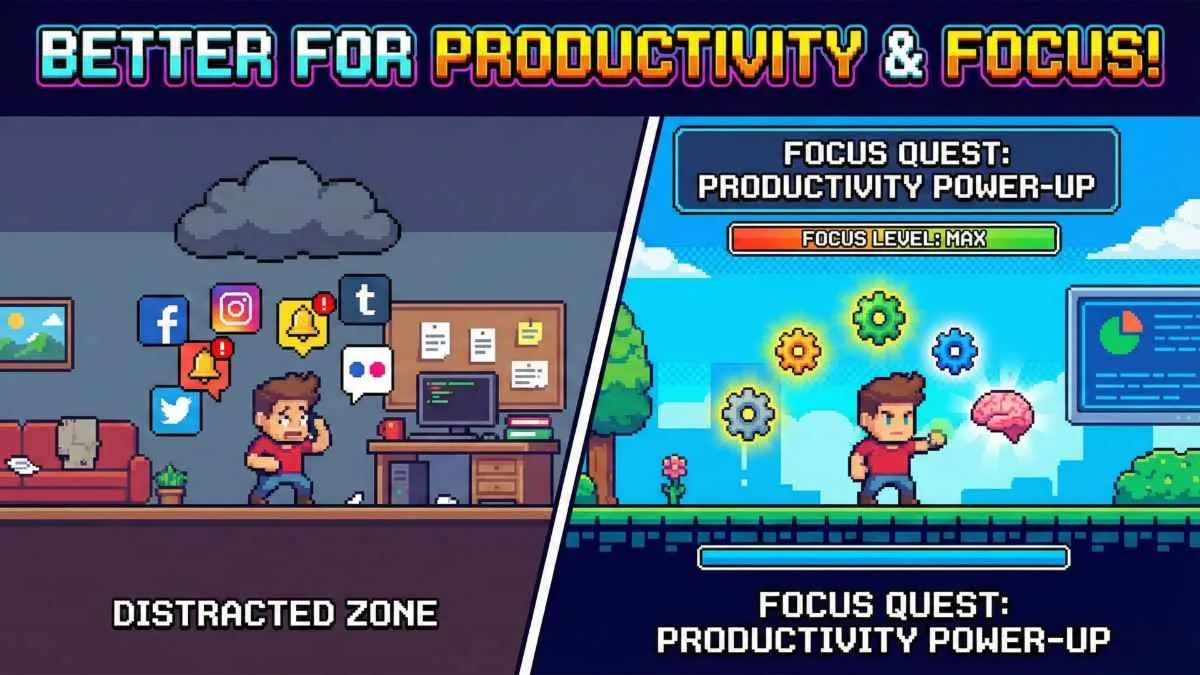
A major benefit of small games is their effectiveness within an efficient daily flow. They do not interrupt the momentum of what you are working on; they are small mental refreshers that keep you going.
If you decide you need to take a short break from work, your mind needs to have a precise refill. Playing simple games is a good way to make this pause without removing the player to much away from the context of what he does.
You do have a sense of time because the sessions are brief. You're not losing your mind and counting the minutes when it should be 20, and falling for the "just one more level" scheme that most long games have. Little games also serve to reset the mind's focus. Short trips to a different mental activity are an efficient way for your mind to get a fresh start.
Long games can be tough to come out of. After getting deep into the game, you can always feel mentally exhausted when you return to spreadsheets/writing/figure building. Small games circumvent this by maintaining casual, contained engagement. The reopening to work feels more comfortable.
Small games support productivity because they:
- Fit conveniently into short breaks
- Time distortions and long speech, do they happen?
- Family may have been configured to help reset spans
- Facilitate job re-entry
Rather than diverting focus, small games actually serve to maintain it, and they are much better suited to having a productive day.
5. Encourages Mindfulness Over Escapism
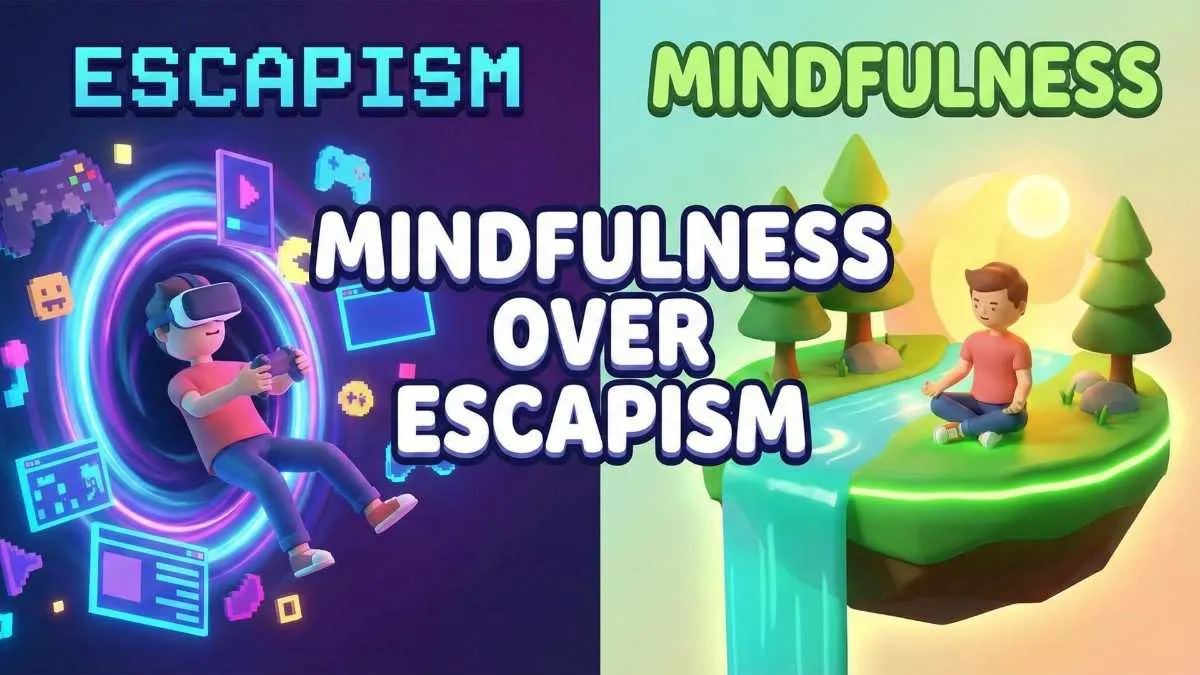
The Appeal of Long Games. As they draw you in, long games are quite good at it. The trance can be fun. However, it may also be escapism, but not a restorative one, in the way that mindfulness can be.
Escapism is an otherworldliness from the present. When you stop playing you may find yourself coming to in your mind with a disruptive mental shift. Small Games are Different, Brief gaming sessions maintain attention and presence in the moment while played.
And because it is so short and bound, you in fact can keep track of the world and time. You're involved, but not hypnotized. Mental control also allows a return to the world, to be done deliberately and not as an avoidance. You can take a break and jump back in for a few minutes and then leave.
Mindfulness means being in control of what you are paying attention to—not carelessly scattering your attention about. Mindless games promote this kind of balance more than most big, commercial titles.
Small Games encourage Mindfulness because they:
- Stay aligned with your current time and limitations
- Avoid, do not create high emotional situations
- Make you think quickly and with concentration
- Allow for purposeful breaks
In such circumstances, the small games are likely the best option for a mental refueling on the hot or overloaded days.
6. Compatible with contemporary lifestyles
Contemporary lifestyles seldom allow for large, consecutive tranches of leisure time. Work, study, communication, and family commitments frequently interrupt one's day. Small games complement this environment naturally. They are functional during short breaks, while waiting, or first thing in the morning.
They require no slots in which to assign tedium, as they are adaptable, flexible and spontaneous. They therefore fit the rhythm of a typical working day comfortably, providing snack-sized intellectual refreshment at each new opportunity without forcing the player to allocate time in advance.
Large games, on the other hand, require planning, dedicated time, and commitment. This means they are not so compatible with recent lifestyles. Small games are more natural.
7. Reduces Emotional Fatigue
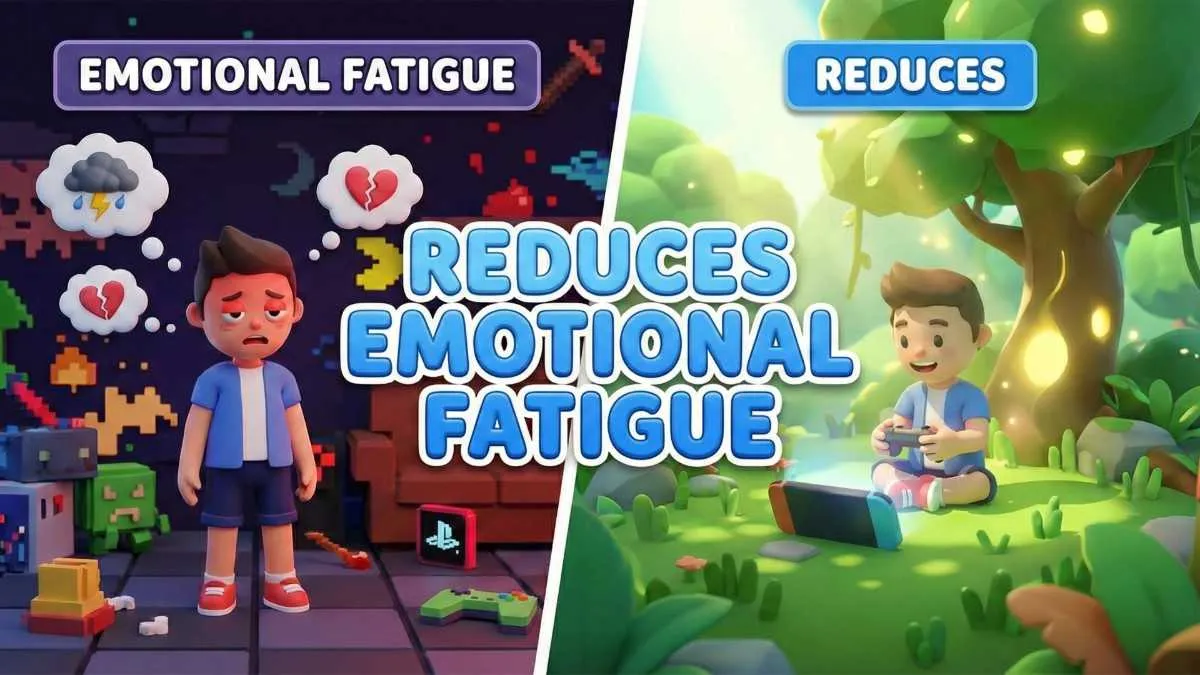
A long game tends to have tighter themes, is more emotionally gripping, and the risks are greater. It may be a lot of fun, but it means investing emotionally for a long stretch of time.
If you have had a long day emotionally or mentally, that extra "emotional baggage" is tiring than energising. The brain doesn't go slow; it keeps ticking away through your ranges of emotion and ends.
Light Games seem to duck this problem; they create hardly any emotional depths or peaks; the game tends to be mainly about "play" than anything else, about such repetition and trivial interactions.
The neutral level of emotion means there are less emotional peaks and pitfalls for light games to top or fall in. You are being merely mildly entertained, not really caught up in a knotty plot or disturbing predicament.
Provided that transient states could be sustained long enough for the nervous system to adjust, it would provide genuine clinical healing rather sporadic stimulation. And likewise, there will be less strain to compete. You probably won't have some point system or prestige action or victory anxiety built into the machine demanding your identity.
Light games cut down on emotional fatigue because they:
- Avoid heavy storytelling and drama
- Minimize competitive pressure
- Save emotional sensations at a steadier level
- Focus on interaction, not attachment
Which is why they work well following hard days at a job along with intense periods in your personal life.
8. Builds Healthy Gaming Habits
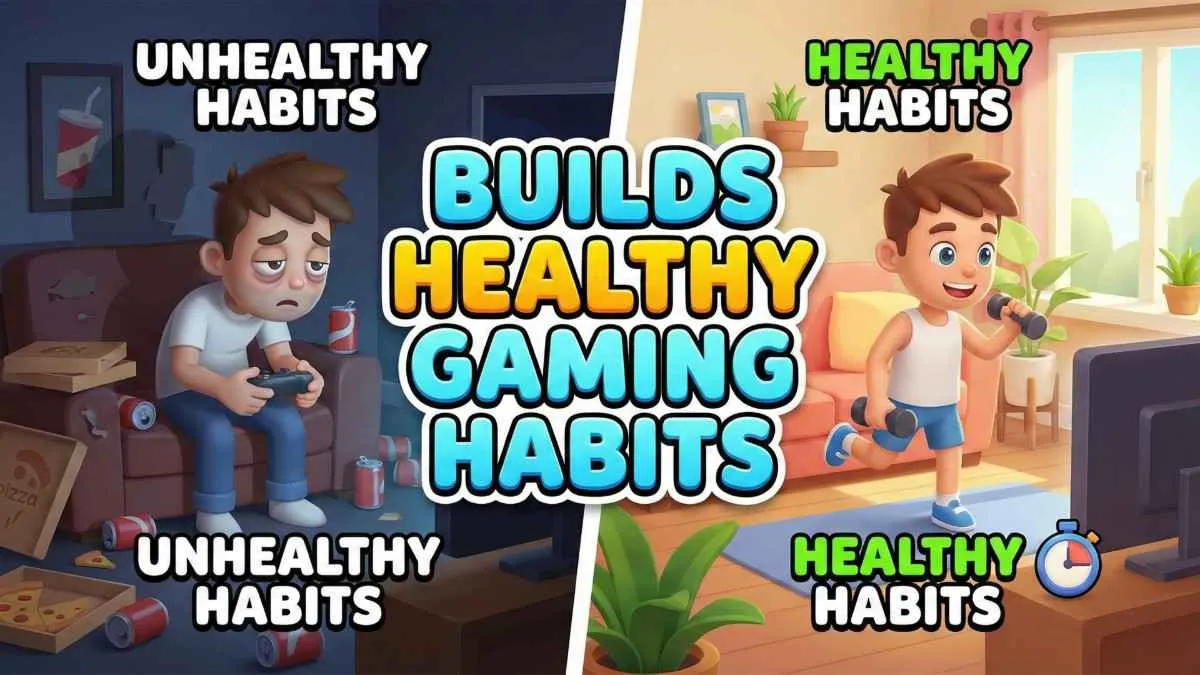
Gaming itself is not unhealthy; it's how it is used that causes problems. Prolonged games tend to facilitate binge playing through the nature of their progression systems and endless objectives.
Small games, furthermore, tend to inhibit this. The brevity and self- contained nature, of each session means a natural stopping point is built in. This structure keeps you aware of time. You are intentionally playing and not hours of unplanned playing.
In the long run, gives a healthier relationship to the activity. They have value as a means of recharging one's mind, rather than a means of fleeing one's burden. Small games help define boundaries as well. In a small game, you tell the game when to start and when to stop, not vice versa, as we do in a big game.
This feeling of control helps to find an equilibrium between work, relaxation and leisure.
Small games encourage healthy habits because they:
- Encourage brief and focused sessions
- Minimise binge all-at-once sessions
- Aide cognition of time
- Work-life balance support
Enjoy it for the long term. Good habits bring sustainable pleasure and long-lasting mental clarity.
When Long Games Make Sense
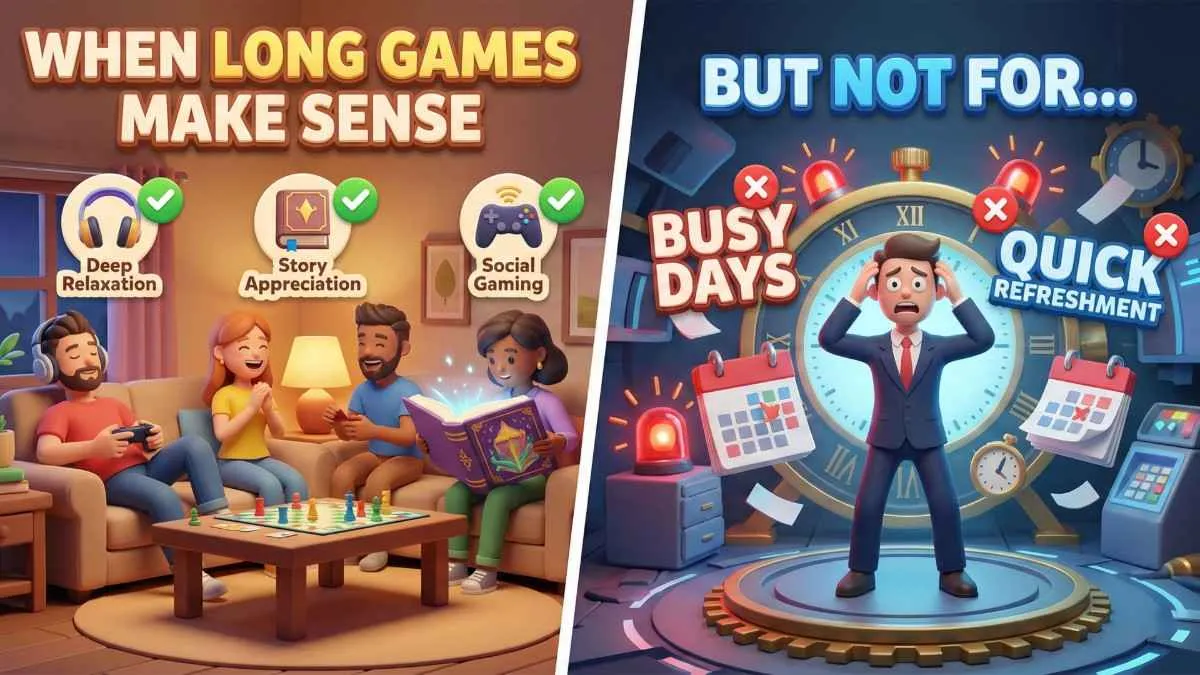
Finding that shorter games are great for refreshing our minds does not imply that more lengthy games are wrong or even unnecessary. They are designed with a different goal in mind. And again this can be highly rewarding when you've got the mental capacity to do it. In such cases long games become a relaxation rather than a stretch.
That's the point—it's the fact that the extended games are played with all that intended concentration and feeling that makes them feel long. Over fatiguing days or during brief respites they can be somewhat depleting rather than invigorating, so they are no real replacement for a quick burst of mental activity. Long games are best when you're relaxed, in the zone, not rushing.
Conclusion
Mental relaxation isn't actually about taking an hour off to get away from everything and in essence is the reversing of everything you are and all that you deal with. And this is the reason why such purpose, even though only an attempt of designing small game, is perfect for smaller games. Smaller games are very easily designed to the goal of our daily lives. Small, fun, simple game can be played for less than 60 seconds.
They don't require as much mental energy or as much thought as long conversations do. Which makes small games ideal for our busy life styles. They are they are well suited to the modern work life where we working in small, unplanned bits of time. In a sense they boost your energy without getting you working time, raging out of its normal rhythm.
Small games can also be used as a way to stay motivated. By doing this it will avoid over stimulating you - which would give you anxiety and overwhelm you and leave you without a mind. That's their advantage! Small games are interesting and water you mind without tiring you.
A reminder of a juicy fact that has been effectively pointed at or a piece of well-known art can be relaxant, and can end up boosting performance that way—as a not very intelligent technique— this little bit of devilment for the mind.
Small games can accomplish this for harried busy minds in precisely this way. If focusing, alertness and emotional balance are out come wanted, small games provide exactly what far too many of us need: less power, more independence and healthier recharging.
Related Articles
Best Free Casual Games for Office Breaks (No Login Needed)
Jan 20, 2026 · 12 min
Fun Mini Games That Don’t Distract You From Daily Work
Jan 20, 2026 · 10 min
Lightweight Online Games You Can Play on Any Device
Jan 20, 2026 · 18 min
Best Quick Brain Games to Refresh Your Mind in 5 Minutes
Jan 20, 2026 · 12 min
Simple Online Games to Beat Boredom Instantly
Jan 20, 2026 · 15 min
Why Kridaah Is the Best Place for Quick and Fun Mini Games
Jan 17, 2026 · 12 min